
Saltwater Pools vs Chlorine Pools
When planning your dream backyard oasis, one of the most important decisions you’ll make is choosing between saltwater pools and chlorine pools. This choice impacts everything from your initial investment to ongoing pool maintenance, water quality, and even how your skin feels after swimming. Understanding the differences between these two sanitization systems helps you make an informed decision that aligns with your lifestyle, budget, and maintenance preferences.
Both saltwater pools and chlorine pools serve the same fundamental purpose—keeping your water clean, clear, and safe for swimming. However, they achieve this goal through different methods, each with distinct advantages and considerations. Let’s dive deep into what makes these systems unique and explore what pool ownership entails with each option.
Understanding How Chlorine Pools Work
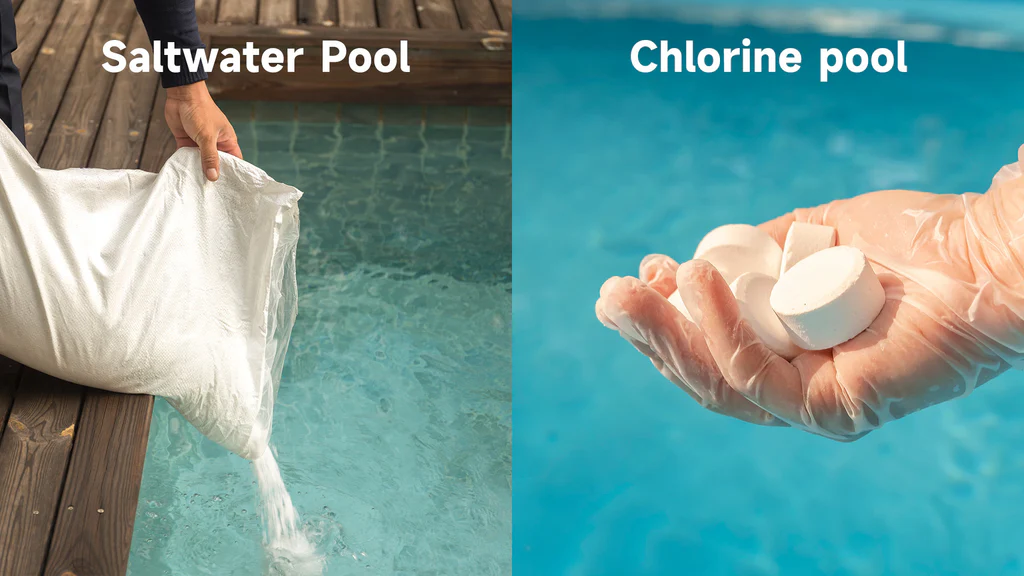
Traditional chlorine pools have been the standard for decades and remain the most common pool sanitization method. These systems require pool owners to manually add chlorine to the water, either through tablets, liquid chlorine, or granular shock treatments.
The Science Behind Traditional Chlorination
Chlorine pools rely on direct chemical addition to sanitize water. When you add chlorine to your pool, it dissolves and forms hypochlorous acid, which kills bacteria, algae, and other contaminants. This process is highly effective and works quickly to eliminate harmful organisms that could compromise water quality or swimmer health.
Pool owners must regularly test water chemistry and add chlorine as needed to maintain proper sanitization levels. The ideal free chlorine level for most pools ranges between 1 and 3 parts per million (ppm). Maintaining this balance requires consistent attention and adjustment based on usage, weather, and environmental factors.
Advantages of Chlorine Pools
Traditional chlorine pools offer several benefits that make them attractive to many homeowners. The initial installation cost is lower since no additional equipment beyond standard filtration is required. Chlorine is readily available at pool supply stores, hardware stores, and even many grocery stores, making it convenient to purchase when needed.
Chlorine pools also respond quickly to water quality issues. If your water becomes cloudy or develops algae, shocking the pool with a high dose of chlorine can resolve the problem within 24 hours. This rapid treatment capability gives pool owners immediate control over water quality emergencies.
Considerations for Chlorine Pool Maintenance
Pool maintenance for traditional chlorine systems requires regular chemical monitoring and adjustment. You’ll need to test water chemistry at least twice each week during the swimming season, checking pH levels, alkalinity, calcium hardness, and chlorine levels. This hands-on approach demands time and attention but gives you direct control over your water quality.
Chlorine has a distinct odor that some people find unpleasant, and it can cause eye irritation or dry skin in sensitive individuals. Storing chlorine safely is also important, as it’s a hazardous chemical that requires proper handling and storage away from children and pets.
Exploring Saltwater Pool Systems
Saltwater pools have gained tremendous popularity over the past two decades, and many new pool installations now choose this system. Despite the name, saltwater pools aren’t filled with ocean water, instead, they use a salt chlorine generator to produce chlorine from dissolved salt.
How Salt Chlorine Generators Function
Saltwater pools use a process called electrolysis to convert dissolved salt into chlorine. Pool owners add salt to the water (typically achieving a salinity level of about 3,000 ppm, roughly one-tenth the salinity of ocean water). As water flows through the salt cell, an electrical current splits the salt molecules, generating chlorine that sanitizes the water.
The beauty of this system lies in its continuous, automated chlorine production. The generator produces chlorine constantly at levels you set, eliminating the need to manually add chlorine regularly. After the chlorine does its sanitizing work, it reverts back to salt, creating a self-sustaining cycle.
Benefits of Saltwater Pools
Saltwater pools offer numerous advantages that appeal to modern pool owners. The water feels softer and silkier on skin, and many swimmers report less eye irritation compared to traditional chlorine pools. The absence of chlorine odor is another significant benefit—that classic “pool smell” comes from chloramines formed when chlorine binds with contaminants, which occurs less frequently in well-maintained saltwater systems.
From a pool maintenance perspective, saltwater systems reduce the time spent on chemical balancing. You’ll still need to test water chemistry, but you won’t be hauling chlorine containers home weekly or storing hazardous chemicals in your garage. Many pool owners appreciate this convenience and the reduced exposure to harsh chemicals.
The automated nature of salt chlorine generators means more consistent sanitization levels. The system produces chlorine steadily rather than experiencing the peaks and valleys associated with manual chlorine addition, resulting in more stable water chemistry.
Saltwater Pool Considerations
Saltwater pools require a higher initial investment due to the salt chlorine generator equipment, which typically costs $1,500 to $2,500 installed. The salt cell needs replacement every three to seven years at a cost of $200 to $700 depending on the model.
Salt is corrosive to certain materials, so saltwater pools require compatible equipment and fixtures. Stone coping, certain metal fixtures, and some pool heaters may deteriorate faster in saltwater environments. Modern pool equipment is increasingly designed with saltwater compatibility in mind, but it’s essential to verify all components are suitable for salt exposure.
Pool maintenance for saltwater systems still requires regular attention. You’ll need to monitor salt levels, clean the salt cell periodically to remove calcium buildup, and maintain proper pH and alkalinity levels. Salt systems can sometimes cause pH to drift upward, requiring more frequent pH adjustment than traditional chlorine pools.

Comparing Pool Maintenance Requirements
Understanding the ongoing pool maintenance demands of each system helps you make a realistic decision based on your available time and preferences.
Daily and Weekly Tasks
Both saltwater pools and chlorine pools require regular skimming of surface debris, cleaning skimmer baskets, and running the filtration system adequate hours daily. These fundamental tasks remain constant regardless of your sanitization method.
For chlorine pools, you’ll test water chemistry at least twice weekly and add chlorine as needed, typically every few days during peak swimming season. You’ll also need to shock the pool weekly or after heavy use to eliminate contaminants.
Saltwater pools require similar testing schedules but eliminate the regular chlorine addition task. Instead, you’ll monitor salt levels monthly and verify the generator is functioning properly. The salt cell needs inspection and cleaning every few months to maintain optimal performance.
Cost Analysis: Initial Investment and Long-Term Expenses
When evaluating saltwater pools versus chlorine pools, consider both upfront costs and ongoing expenses over your pool’s lifetime.
Traditional chlorine pools have lower initial costs since they don’t require specialized sanitization equipment. Saltwater pools require the additional investment in a salt chlorine generator, increasing installation costs by $1,500 to $2,500.
Chlorine pools typically cost $300 to $800 annually for chemicals, depending on pool size and usage. Saltwater pools have lower annual costs, typically $100 to $300, primarily for salt replenishment and pH adjusters. However, owners should factor in salt cell replacement every three to seven years, averaging $50 to $150 annually when amortized over the cell’s lifespan.
Over a ten-year period, the ongoing costs often balance out, with saltwater systems potentially saving money in the long run while offering convenience benefits.
Making Your Decision: Which System Is Right for You?
Choosing between saltwater pools and chlorine pools depends on your priorities, budget, and lifestyle preferences.
Consider traditional chlorine pools if you prefer lower upfront costs, want maximum control over sanitization, don’t mind hands-on pool maintenance, or have budget constraints that make the initial investment in salt systems challenging.
Opt for saltwater pools if you prioritize water quality and comfort, want reduced chemical handling and storage, prefer automated systems with less frequent maintenance tasks, or are willing to invest more initially for long-term convenience.
Both systems can provide years of enjoyment with proper care. The “best” choice depends on what matters most to you. Many pool professionals can assess your specific situation and recommend the system that aligns best with your needs, ensuring you create the backyard retreat you’ve always envisioned.
Learn more with Custom Pool Pros!